Modules

Wellness Training

Our programs empower individuals to discover and cultivate their passions through experiential learning, innovative curriculum, and supportive community. Students develop skills, deepen self-awareness, and align their lives with purpose while fostering holistic well-being. The journey encourages balanced living, meaningful impact, and a shared commitment to creating a more conscious and inspired world.

Courses

Passion, Life and Evolution

Passion, Life and Evolution

Passion, Life and Evolution explores the core human drives that influence wellness, purpose, and growth. Students examine what truly motivates them and how their choices shape daily life and long-term direction. Through reflective exercises and practical tools, the course deepens clarity, strengthens vitality, and nurtures compassion while connecting personal evolution to collective well-being.

Wellness Training Retreats

Holistic Fitness

This course activates natural somatic processes that invigorate emotion, intellect, imagination, and creativity. Students explore full expression while releasing energetic blocks that restrict flow and passion. Through guided practices, participants rekindle vitality, enhance mental clarity, and gain practical techniques that can be applied daily to sustain balance, awareness, and embodied strength.

Health and Wellness

Health and Wellness

This course examines the interconnected dimensions of health, including physical, mental, emotional, and social well-being. Students analyze lifestyle habits, behavioral patterns, and environmental influences that affect outcomes and quality of life. Practical strategies for stress management, prevention, and relationship building support self-awareness and long-term, sustainable wellness.

Wellness Coaching

Passion Life Coaching

Passion Life Coaching introduces the foundations of guiding individuals to discover and live their authentic passions. Students explore coaching principles, ethical practice, and effective communication methods that support personal clarity and purposeful living. Through practical exercises and real-world scenarios, they develop skills in active listening, insightful questioning, and goal-focused dialogue while learning to foster supportive, growth-oriented coaching relationships.


Wellness Coaching

This course provides a structured introduction to life coaching principles, core competencies, and ethical foundations. Students explore proven coaching models and develop practical skills in active listening, powerful questioning, goal setting, and action planning. Through guided exercises and real-world scenarios, they learn to build effective coach-client relationships and support meaningful, sustainable personal and professional growth.

Courses

Wellness Coaching

Wellness Coaching Principles

This course offers a structured introduction to the principles and practice of life coaching. Students explore core competencies, ethical foundations, and established coaching models and methods. Through applied exercises and case studies, they strengthen skills in active listening, powerful questioning, goal setting, and action planning while learning to cultivate effective, growth-centered client relationships.

Life Cycles & Human Development

Life Cycles & Human Development

This course examines human development from conception through aging, exploring the biological, psychological, and social forces that shape growth across the lifespan. Students analyze major theories and research while tracing physical, cognitive, emotional, and social changes at each life stage. Emphasis is placed on typical and atypical pathways, cultural influences, and real-world applications of developmental insight.

Relationships and Communications

Relationships and Communications

This course explores interpersonal communication within the context of passionate living. Students examine how to express desire and authenticity without limiting others. Through dialogue, movement, reflective practice, and case study, the course addresses intimacy, boundaries, perception, and group dynamics. Emphasis is placed on language, listening, conflict resolution, and cultivating social harmony.

Wellness Coaching

Wellness Coaching Internship

The Wellness Coaching Internship provides practical experience applying coaching principles in real-world wellness settings. Interns work alongside experienced mentors to observe and practice core coaching competencies, ethical communication, and client-centered support. Through supervised sessions and applied activities, they develop skills in active listening, effective questioning, goal-focused dialogue, and guiding individuals toward healthier, balanced lifestyles.

Prerequisites: Passion Training Module


Wellness Training

Wellness Training offers holistic courses, workshops, retreats, and coaching designed to help individuals reconnect with their passions and cultivate balanced living. Through experiential learning and guided practices, students develop emotional intelligence, mind-body awareness, and life-force energy while gaining practical tools to support health, creativity, relationships, purpose, and long-term personal transformation.

Courses

First Aid and Crisis Care

First Aid and Crisis Care

This course provides foundational training in emergency response for injuries and medical crises. Students learn to manage bleeding, fractures, burns, diabetes, seizures, and cardiac events while applying one-rescuer CPR techniques for adults, children, and infants. Instruction also covers choking response, the Chain of Survival, basic heart and lung function, and recognition of heart attack and stroke warning signs.

Bodywork and Energy Medicine

Bodywork and Energy Medicine

Neurosomatics integrates body-centered psychotherapy with psychological insight to examine how beliefs, trauma, and stress are embodied in physical structure and movement. Students explore somatic trauma work, neuromuscular education, energy awareness, and integrative healing methods. Through movement, breathwork, and hands-on practice, the course develops skills in re-patterning, nervous system regulation, and therapeutic alliance.

Emotional Intelligence

Emotional Intelligence

This course explores emotional intelligence through awareness, release, and healing. Students examine the origins and dynamics of emotions while learning how physical and emotional tensions are interconnected. Through guided practices and integrative frameworks, participants develop skills in emotional regulation, safe expression, and closure techniques that support balanced flow and deeper psychological integration.

Wellness Training Internship

Wellness Training Internship

This internship offers practical experience in wellness training and health promotion. Interns collaborate with professionals to design, implement, and assess wellness programs and initiatives. They develop skills in client engagement, program planning, and health education while gaining real-world exposure to strategies that support individual and community well-being.

Wellness Training Tetreat

Wellness Retreat

The Wellness Retreat is an immersive, in-person experience designed to foster self-discovery and purposeful living. In a calm, supportive setting, participants engage in guided workshops, reflection, and meaningful connection. Through mentorship, mindful practices, and creative exploration, the retreat equips individuals with tools to clarify direction, build resilience, and sustain inspired action.

Prerequisites: Wellness Coaching Module, Wellness Retreat x 2


Holistic Health Program

An integrated approach to wellness addresses the physical, mental, emotional, social, and spiritual components of health. These programs explore diverse career paths in wellness, health education, and holistic therapies. They empower individuals to achieve optimal health and well-being by emphasizing natural methods and integrated wellness strategies.

Courses

Health Models and Practices

Health Models and Practices

This course examines health through biological, psychological, cultural, and ecological perspectives. Students explore Eastern and Western healing traditions, stress physiology, and self-regulation methods while analyzing diverse models of care. Emphasis is placed on cross-cultural understanding, holistic integration, and emerging frontiers in healing to identify universal principles that shape health, illness, and transformation.

Anatomy and Physiology

Anatomy and Physiology

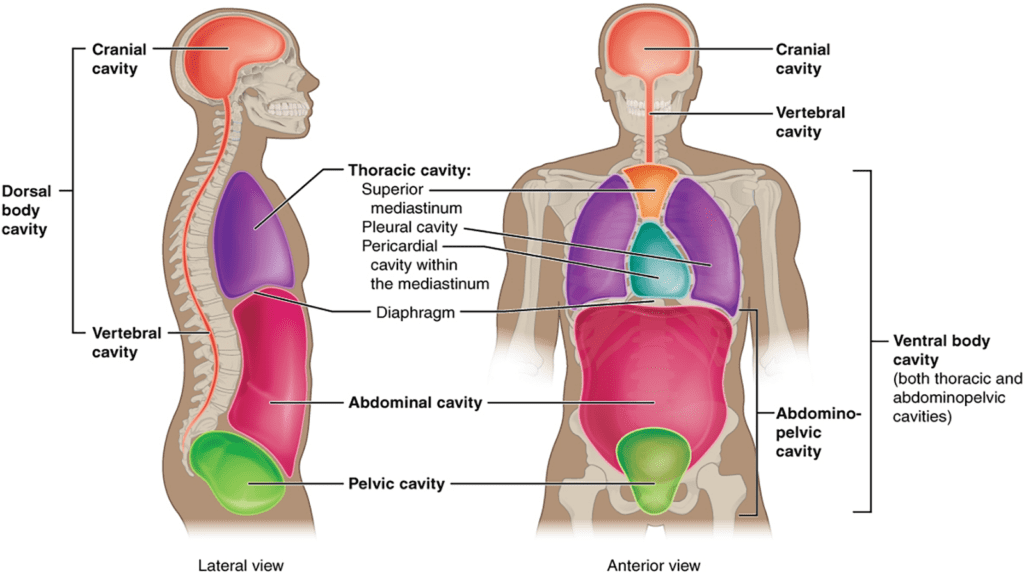
This course introduces human anatomy and physiology, examining tissues, terminology, and major body systems. Students study skeletal structure, muscular function, nervous regulation, circulation, and organ systems while exploring movement, injury patterns, and systemic integration. Emphasis is placed on understanding how structure supports function to build foundational knowledge for health, performance, and clinical application.

Nutrition and Health-Care

Nutrition and Health-Care

This course explores nutritional science within a holistic framework that integrates physiological principles and energetic perspectives. Students examine the physiology of nutrition, herbal and supplemental practices, and cross-cultural healing traditions while analyzing the influence of beliefs and attitudes on health. Emphasis is placed on developing rational, individualized approaches to support balanced, sustainable well-being.

Holistic Health Internship

Holistic Health Internship

This internship provides supervised, hands-on experience applying holistic health principles in professional settings. Interns practice client assessment, treatment planning, and integrative healing strategies while developing communication, ethics, and documentation skills. The program bridges theory and practice, strengthening critical thinking, clinical judgment, and self-awareness to support effective, client-centered holistic care.

Holistic Health Retreat

Holistic Health Retreat

This retreat-style course cultivates holistic health through yoga, meditation, workshops, and nature-based practice. Participants explore the interconnected dimensions of physical, mental, emotional, and spiritual well-being while developing resilience, self-awareness, and sustainable self-care habits. Guided reflection and community engagement support balanced living and deeper integration of mind, body, and spirit.

Prerequisites: Wellness Training Module


Holistic Health Program

An integrated approach to wellness addresses the physical, mental, emotional, social, and spiritual components of health. These programs explore diverse career paths in wellness, health education, and holistic therapies. They empower individuals to achieve optimal health and well-being by emphasizing natural methods and integrated wellness strategies.

Courses

Emotional and Trauma-Healing

Emotional and Trauma Healing

This course examines emotional healing and the psychological and physiological effects of trauma. Students explore trauma-informed approaches and creative modalities such as art and writing to process loss and restore resilience. Emphasis is placed on understanding recovery processes, strengthening coping skills, and fostering personal and collective healing within supportive, ethically grounded contexts.

body-clouds-early-morning

Sexual Wellness

This course introduces human anatomy and physiology, examining tissues, terminology, and major body systems. Students study skeletal structure, muscular function, nervous regulation, circulation, and organ systems while exploring movement, injury patterns, and systemic integration. Emphasis is placed on understanding how structure supports function to build foundational knowledge for health, performance, and clinical application.

Expressive Arts

Healing Arts

Healing Arts explores creative practicesโ€”including drawing, movement, music, drama, and poetryโ€”as pathways for healing and personal transformation. Students examine the creative process as a tool for insight, emotional integration, and inner exploration. Through experiential practice and group work, the course cultivates self-awareness, symbolic understanding, and the therapeutic use of artistic expression in both individual and shared settings.

Holistic Health Internship

Holistic Health Internship

This internship provides supervised, hands-on experience applying holistic health principles in professional settings. Interns practice client assessment, treatment planning, and integrative healing strategies while developing communication, ethics, and documentation skills. The program bridges theory and practice, strengthening critical thinking, clinical judgment, and self-awareness to support effective, client-centered holistic care.

Holistic Health Retreat

Holistic Health Retreat

This retreat-style course cultivates holistic health through yoga, meditation, workshops, and nature-based practice. Participants explore the interconnected dimensions of physical, mental, emotional, and spiritual well-being while developing resilience, self-awareness, and sustainable self-care habits. Guided reflection and community engagement support balanced living and deeper integration of mind, body, and spirit.

Prerequisites: Holistic Health 1 Module


Holistic Health Program

An integrated approach to wellness addresses the physical, mental, emotional, social, and spiritual components of health. These programs explore diverse career paths in wellness, health education, and holistic therapies. They empower individuals to achieve optimal health and well-being by emphasizing natural methods and integrated wellness strategies.

Courses

Spiritual and Transpersonal Wellness

Spiritual and Transpersonal Wellness

This course explores altered states through transpersonal and shamanic practices to support healing, creativity, and spiritual insight. Students engage expressive arts and ritual frameworks to access intuition and expanded awareness. Combining academic study with experiential sessions, the course develops skills in journey facilitation, energy awareness, and integrating transformative experiences into purposeful living.

Social Intelligence and Leadership

Social Intelligence and Leadership

This course explores social intelligence, leadership, and constructive conflict resolution. Students develop skills in reading social cues, strengthening emotional awareness, and communicating with clarity and empathy. Through practical frameworks and applied strategies, they learn mediation and negotiation techniques suited to interpersonal, group, and organizational settings, fostering confident collaboration and healthier relationships.

Ecology

Ecology and Sustainability

This course examines human ecology, biological and cultural adaptation, and principles of sustainability. Students analyze ecosystem organization and the interaction between social systems and the natural environment while exploring global health impacts. Integrating ecological theory with cross-cultural case studies, the course cultivates environmental awareness, ethical responsibility, and practical insight for sustainable development.

Holistic Health Internship

Holistic Health Internship

This internship provides supervised, hands-on experience applying holistic health principles in professional settings. Interns practice client assessment, treatment planning, and integrative healing strategies while developing communication, ethics, and documentation skills. The program bridges theory and practice, strengthening critical thinking, clinical judgment, and self-awareness to support effective, client-centered holistic care.

Holistic Health Retreat

Holistic Health Retreat

This retreat-style course cultivates holistic health through yoga, meditation, workshops, and nature-based practice. Participants explore the interconnected dimensions of physical, mental, emotional, and spiritual well-being while developing resilience, self-awareness, and sustainable self-care habits. Guided reflection and community engagement support balanced living and deeper integration of mind, body, and spirit.

Prerequisites: Holistic Health 2 Module


Water Breath

Aquatic Training Foundations prepares practitioners to guide healing sessions in warm water environments. The program integrates modalities such as aquatic bodywork, breathwork, water tantra, and rebirthing practices. Students complete core coursework and elective credits, allowing specialization in chosen aquatic disciplines. The curriculum offers flexibility to develop skills aligned with individual strengths and professional goals.

Courses

Aquatic Training for Practitioners

Aquatic Fitness

This hybrid three-course program leads to Certified Aquatic Trainer certification. Designed for practitioners, it integrates structured online learning with immersive in-person workshops to ensure both theoretical depth and applied skill development. Participants gain comprehensive knowledge, supervised practice, and professional preparation to deliver safe and effective aquatic training.

Aquatic Breathwork

Aquatic Breathwork

This course explores aquatic breathwork and rebirthing practices that integrate mind, body, and spirit. Through conscious connected breathing in supportive water environments, students learn techniques for emotional release, deep relaxation, and expanded awareness. Emphasis is placed on safety, physiological understanding, and integration, cultivating self-regulation, insight, and sustainable personal growth.

Water Breath

Aquatic Healing

This course explores Aquatic Healing through Water Breath, expanding on prior aquatic breathwork and tantra training. Students learn to design sacred, client-centered sessions that support emotional release, physiological integration, and deep relaxation. Emphasis is placed on creating a safe, nurturing container that encourages self-healing, authentic expression, and sustainable transformation in water-based practice.

Prerequisites: Wellness Training Module


Aquatic Healing

The Aquatic Training Program prepares practitioners to facilitate healing sessions in warm water, combining modalities such as aquatic bodywork, breathwork, water tantra, and rebirthing. Students complete core courses and electives to specialize in their preferred techniques. The program also offers the Certified Aquatic Trainer (CAT) credential through comprehensive training and practical experience.

Courses

Aquatic Healing Models

Aquatic Training Models

This course explores aquatic therapies and their role in promoting holistic well-being through water-based healing and movement practices. Students examine the historical foundations and scientific principles of hydrotherapy while evaluating diverse modalities and their physical and psychological applications. Ethical practice, cultural context, and practical program design are emphasized to support effective aquatic interventions.

Aquatic Training Elective

Aquatic Training Elective

The Aquatic Training Elective introduces students to specialized water-based practices that support relaxation, healing, and body awareness. Through guided techniques, breath-focused movement, and supportive aquatic environments, students explore methods that complement aquatic bodywork and breathwork while learning how to facilitate safe, effective sessions in warm water settings.

Aquatic Training Internship

Aquatic Training Internship

This internship provides practical training in aquatic therapies for healing, relaxation, and rehabilitation. Students work alongside experienced practitioners to apply water-based techniques across diverse conditions and populations. Emphasis is placed on assessment, individualized treatment planning, safe intervention, and professional conduct, building hands-on competence and confidence in aquatic therapeutic practice.

Prerequisites: Aquatic Training Foundations Module


General Prerequisites

These programs are open to individuals seeking academic and professional development in wellness and holistic studies.

  • Ability to engage in academic coursework, reflective practice, and experiential learning
  • Commitment to ethical conduct and respectful participation

No prior professional experience is required. Foundational programs are designed for beginners, while advanced courses and internships build progressively on previously completed coursework.

For aquatic programs, participants must be comfortable in water environments and physically able to engage in aquatic activities.